
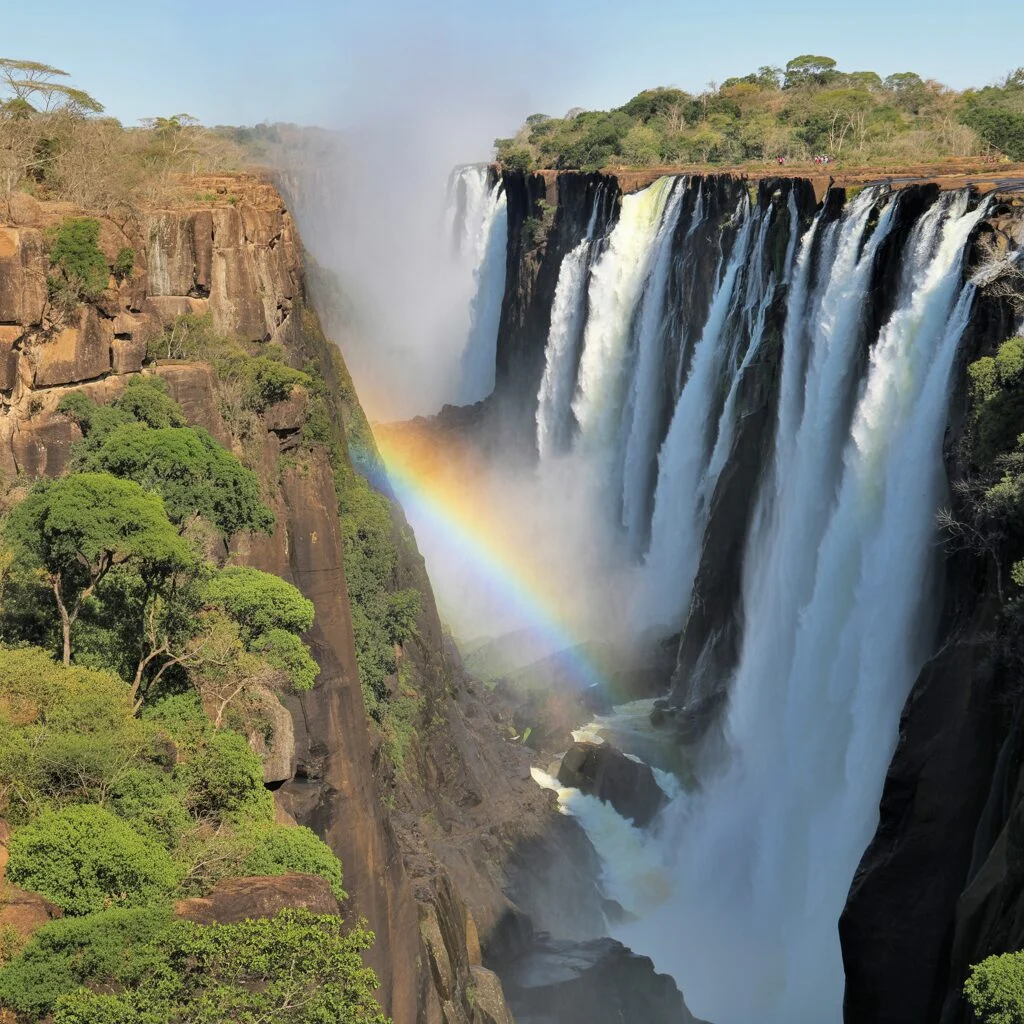
To visit Victoria Falls from the Zimbabwe side in 2026, most travelers need a Zimbabwe eVisa ($30) or KAZA UniVisa ($50). US, UK, and EU nationals can also get a Visa on Arrival. Indian, Chinese, and Pakistani nationals must apply for the eVisa online before departure at evisa.gov.zw. Your passport must be valid for at least 6 months with 2 blank pages.
Do You Need a Visa to Visit Victoria Falls Zimbabwe?
It depends on your nationality. Zimbabwe uses a three-category system:
- Category A – No visa needed: South Africa, Botswana, Zambia, Kenya, Tanzania, Mozambique, Malawi, and most SADC countries. Entry is free.
- Category B – eVisa or Visa on Arrival: USA, UK, Germany, France, Australia, Canada, Italy, Spain, Netherlands, and most EU/Western nations.
- Category C – eVisa required: India, China, Pakistan, Philippines, Bangladesh, Sri Lanka, Nigeria, Egypt, and others. Must apply before departure.
Check the full nationality list to confirm which category applies to you before planning your trip.
Zimbabwe eVisa vs KAZA UniVisa – Which Should You Choose?
If you plan to visit only the Zimbabwe side of Victoria Falls, apply for the standard Zimbabwe eVisa ($30 single entry). It is available online at evisa.gov.zw and processed in 3-7 working days.
If you plan to cross into Zambia (to see the Zambia side of the Falls or visit Livingstone), the KAZA UniVisa ($50) is the smart choice. It covers:
- Zimbabwe entry
- Zambia entry
- Freedom to cross between the two countries at Victoria Falls border
- Valid for 30 days
The KAZA UniVisa is available on arrival at Victoria Falls Airport and Livingstone Harry Mwanga Nkumbula Airport. It is not available online – you must purchase it at the border or airport. Note: KAZA is only available to Category B nationals.
| Option | Cost | Covers | Available Online |
|---|---|---|---|
| Zimbabwe eVisa (single) | $30 | Zimbabwe only | Yes |
| Zimbabwe eVisa (double) | $45 | Zimbabwe (2 entries) | Yes |
| KAZA UniVisa | $50 | Zimbabwe + Zambia | No – on arrival only |
Zimbabwe vs Zambia Side – Which Is Better for Victoria Falls?
Both sides offer spectacular views, but they are quite different in character:
Zimbabwe side advantages:
- Access to the full main viewing path (Rainbow Falls, Devil’s Cataract, Main Falls)
- Better infrastructure and tourist facilities
- Victoria Falls town with restaurants, hotels, and activities
- Bungee jumping from Victoria Falls Bridge
- Closer to Hwange National Park (4 hours)
Zambia side advantages:
- The “Boiling Pot” – closer access to the base of the Falls
- Devil’s Pool swimming (on Livingstone Island, dry season only)
- Often less crowded
- Good for sunrise views
Most travelers choose Zimbabwe as the primary base and cross to Zambia for a day trip. The KAZA UniVisa makes this easy.
Entry Points for Victoria Falls Zimbabwe
There are two main entry points for travelers visiting Victoria Falls:
- Victoria Falls International Airport (VFA) – Direct flights from Johannesburg (1h 45min), Nairobi, Lusaka. Most convenient option. All visa types available on arrival.
- Victoria Falls Border Post (road crossing from Zambia) – Cross from Livingstone on foot or by vehicle. Frequently used for day trips. eVisa or VoA accepted.
The nearest major international hub is OR Tambo International (Johannesburg). Most intercontinental travelers fly via Johannesburg to Victoria Falls.
Visa Requirements by Nationality for Victoria Falls 2026
Here is a practical nationality guide:
- South African citizens – No visa. Category A. Direct entry.
- American citizens – Category B. eVisa ($30) or Visa on Arrival. KAZA UniVisa ($50) available if visiting Zambia side.
- British citizens – Category B. Same as Americans above.
- German, French, Italian, Spanish nationals – Category B. eVisa or VoA.
- Indian nationals – Category C. Must apply for eVisa online before departure. Allow 2+ weeks.
- Chinese nationals – Category C. eVisa required. Apply at evisa.gov.zw.
- Australian, Canadian nationals – Category B. eVisa or Visa on Arrival.
Documents You Need at the Border
Have the following documents ready when entering Zimbabwe at Victoria Falls:
- Passport valid for at least 6 months from entry date
- At least 2 blank pages in passport
- Printed Letter of Authority (if you applied for eVisa online)
- Return or onward flight ticket
- Proof of sufficient funds (credit card or cash)
- Hotel booking or accommodation confirmation
- USD cash if paying Visa on Arrival (most borders are cash-only)
Seasonal Travel Tips: Best Time to Visit Victoria Falls
The season affects both your visa strategy and the Falls experience:
- February – May (High water season): Falls at peak volume. Spray can drench you within meters. Spectacular but visibility can be limited by mist. Apply eVisa early – peak tourist season means higher application volumes.
- June – August (Cool dry season): Best wildlife viewing in Hwange. Falls still strong. Ideal combination of Falls and safari. Most popular time to visit.
- September – November (Hot dry season): Lower water levels, better visibility of rock formations. Devil’s Pool swimming open. Peak heat (40°C+). Apply eVisa well in advance.
- December – January (Green season): Fewer crowds, lower prices. Water levels rising. Good birdwatching.
Note: Your Zimbabwe visa is a separate document from your park entry fee. The Victoria Falls National Park charges $30 USD per person for entry, paid at the gate.
Practical Tips for Arriving at Victoria Falls
- Bring USD cash for on-arrival payments, tips, and market purchases. Zimbabwe uses USD as primary currency.
- Apply eVisa at least 2 weeks before travel to allow time for processing.
- Print your Letter of Authority and carry a backup copy on your phone.
- If visiting both Zimbabwe and Zambia, get the KAZA UniVisa on arrival at VFA – do not pre-purchase a single Zimbabwe eVisa as you will pay more overall.
- Time zone: Zimbabwe is UTC+2 (same as Zambia and South Africa).
For full application instructions, see our Zimbabwe eVisa application guide. Comparing options? Read eVisa vs Visa on Arrival.
Frequently Asked Questions
Do I need a visa to visit Victoria Falls Zimbabwe?
Most visitors need a visa. Category A nationals (South Africa, Kenya, Zambia, etc.) enter visa-free. Category B nationals (USA, UK, EU) can get an eVisa online or Visa on Arrival. Category C nationals (India, China, Pakistan) must apply for an eVisa before departure.
What is the KAZA UniVisa and how much does it cost?
The KAZA UniVisa costs $50 USD and covers entry to both Zimbabwe and Zambia for 30 days. It lets you freely cross between the two countries at Victoria Falls. Available on arrival at Victoria Falls International Airport and Livingstone Airport – not available online.
Should I visit Victoria Falls from Zimbabwe or Zambia side?
Zimbabwe offers the best main viewing path with full access to Rainbow Falls and Devil’s Cataract. Zambia is better for Livingstone Island Devil’s Pool (dry season). Most travelers base themselves in Zimbabwe and take a day trip to Zambia using the KAZA UniVisa.
Can I get a Zimbabwe visa on arrival at Victoria Falls Airport?
Yes. Category B nationals (USA, UK, EU and others) can obtain a Visa on Arrival at Victoria Falls International Airport. Bring USD cash as most counters are cash-only. The KAZA UniVisa ($50) is also available on arrival there.
Do Indian nationals need a Zimbabwe visa for Victoria Falls?
Yes. Indian nationals are Category C and must apply for a Zimbabwe eVisa online at evisa.gov.zw before departure. Visa on Arrival is not available. Apply at least 2 weeks before travel.
How much is the Victoria Falls park entry fee in 2026?
The Victoria Falls National Park entry fee is $30 USD per person in 2026, paid at the gate. This is separate from your visa. Bring USD cash.
What documents do I need at Victoria Falls Zimbabwe border?
You need: passport valid for 6+ months with 2 blank pages, printed eVisa Letter of Authority (if applied online), return ticket, proof of funds, and hotel confirmation. USD cash for Visa on Arrival payment.
What is the best time to visit Victoria Falls?
June to August (cool dry season) is most popular – good wildlife viewing, strong Falls flow, pleasant temperatures. February to May has peak water levels but heavy spray. September to November offers Devil’s Pool swimming and clear views of rock formations.